close

admin

My BlogRural Reflections from a Toronto Hipster

Grey Highlands Vegetable Gardening How To

starting a grey highlands garden - resting afterwards with feet up

The Grey Highlands region in Ontario is known for its rolling hills, beautiful scenery and fertile soil, making it an ideal place for growing vegetables. However, it is essential to know the right time to start a vegetable garden to ensure a bountiful harvest. In this article,, we’ll discuss the best time to start a vegetable garden in Grey Highlands and the factors that you should consider when deciding when to start planting.

Tomato garden early in the season with water drip lines.

First and foremost, it is crucial to understand the climate in Grey Highlands.
The ideal time to start a vegetable garden in Grey Highlands is during the spring, usually around mid-April to early May. This is when the soil begins to warm up, and the weather is mild enough to support seed germination and plant growth.

Some hardy vegetables, such as peas, spinach, and lettuce, can be planted around this time, as long as the soil is not frozen. However, it’s much too early for tender plants.

Grey Highlands Late May Frost Warning

It is important to wait until the risk of frost has passed before planting tender vegetables, such as tomatoes, peppers, and squash, as these plants are susceptible to damage from low temperatures. The average last frost date in Grey Highlands is around mid-May, but it can vary from year to year, so it’s essential to keep an eye on the forecast and plant accordingly. Experience has taught me that it’s best to prepare my Grey Highlands vegetable garden during the May long weekend, and then plant the tender vegetables the following weekend.

In addition to the climate, you should also consider the amount of sunlight your garden will receive. Most vegetables need at least six hours of sunlight a day to grow properly. If you have a shady area in your garden, you might consider planting shade-tolerant vegetables, such as lettuce, kale, and chard, rather than sun-loving vegetables, like tomatoes and peppers.

Quality Soil for Quality Vegetables

Another factor to consider is the type of soil you have in your garden. In Grey Highlands, the soil is fertile and well-drained, which is ideal for growing vegetables. However, you may need to amend your soil with compost or other organic matter to ensure that it is rich in nutrients and can support healthy plant growth.

vegetables grown in Grey Highlands

A soil test can also help you determine if your soil is lacking in any essential nutrients and what amendments you need to make.
When starting a vegetable garden, it’s essential to choose the right plants for your growing conditions. For example, some vegetables, like tomatoes, are indeterminate, which means they will continue to grow and produce fruit throughout the growing season. On the other hand, determinate tomatoes will grow to a certain size and then stop producing. Knowing the growth habits of the vegetables you want to grow will help you determine how much space you need in your garden and how to arrange your plants to maximize their growth potential.

Plan for Garden Watering and Maintenance

Finally, it’s crucial to have a plan in place for watering and maintaining your garden. In Grey Highlands, the growing season can be quite dry, so it’s essential to provide your plants with adequate water to ensure their health and growth. Drought-tolerant vegetables, such as zucchini and beans, can handle dry conditions better than others, but all plants will benefit from regular watering, especially during periods of hot and dry weather.
In conclusion, the best time to start a vegetable garden in Grey Highlands is during the spring, around mid-April to early May for hardy plants and the end of May for tender plants. It’s crucial to consider the climate, sunlight, soil type, and the type of vegetables you want to grow when deciding when to start.

Read More
My BlogRural Reflections from a Toronto Hipster

7 Tips for Growing Great Tomatoes

Here are 7 tips for growing great tomatoes, as suggested by ChatGPT with prompts from Matt Mernagh. Tomatoes are a staple in many kitchens and gardens, but they can be tricky to grow. However, with the right tips and techniques, you can successfully cultivate juicy and delicious tomatoes that are bursting with flavor.

Choose the right tomato variety: There are countless varieties of tomatoes, each with its own unique flavor, size, and growing habits. Choose a variety that is well-suited to your climate and growing conditions. For example, some tomatoes are more heat-tolerant while others are more cold-tolerant. Consider the amount of space you have available, and select a variety that will fit in your garden.

Plant tomatoes in the right place: Tomatoes need plenty of sunlight to grow and produce fruit, so choose a location in your garden that gets at least six hours of direct sunlight per day. Tomatoes also need well-drained soil, so if you have heavy or clay soil, amend it with compost or other organic matter to improve the drainage.

7 tips for growing great tomatoes. Start indoors and hardy them off before planting.

Provide tomatoes proper support: Tomatoes are often tall and heavy plants, and they need support to keep from falling over. Choose a sturdy support, such as a stake or cage, and install it when you plant your tomatoes. As the plants grow, tie them to the support to keep them upright.

Water tomatoes regularly: Tomatoes need consistent moisture to grow and produce fruit. Water your plants deeply and regularly, especially during dry spells, to keep the soil evenly moist. Avoid over-watering, as this can lead to root rot and other problems.

Plan early to grow great tomatoes

Fertilize tomatoes regularly: Tomatoes are heavy feeders, and they need regular fertilization to grow and produce fruit. Use a balanced fertilizer, such as a 10-10-10 or a 5-10-10 formula, and apply it every two to four weeks throughout the growing season.

Prune and train your tomato plants: Pruning and training your tomato plants can help to improve their growth and yield. Prune away any shoots that grow from the base of the plant, and remove any leaves that are touching the ground. Train the main stem of the plant to grow vertically, tying it to the support as needed. This will help to increase air circulation and reduce the risk of disease.

7 tips for growing great tomatoes

Control pests and diseases: Tomatoes are susceptible to a variety of pests and diseases, so it’s important to keep an eye out for any signs of trouble. Common pests include tomato hornworms, aphids, and whiteflies, while common diseases include late blight, early blight, and verticillium wilt. Regularly inspect your plants, and treat any pests or diseases as soon as you notice them. You can use organic methods, such as companion planting, crop rotation, and the release of beneficial insects, or you can use chemical controls if necessary.

By following these 7 tips for growing great tomatoes, you can grow great tomatoes that are juicy, flavorful, and healthy. With a little bit of care and attention, you can enjoy fresh, homegrown tomatoes all season long. Happy growing!

Read More
My BlogRural Reflections from a Toronto Hipster

Grey Highlands Snow vs Toronto Snow

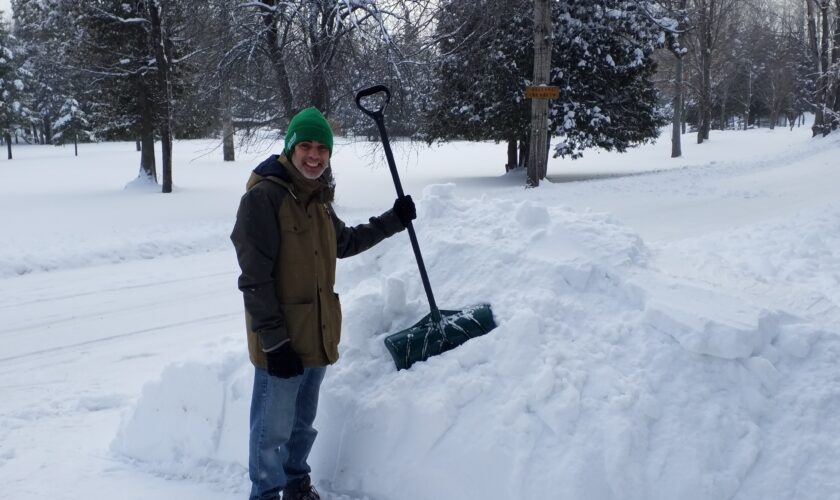
Snow shoveling in Grey Highlands

Grey Highlands residents celebrate snow

City folks loath it

There is a dramatic difference between how people from Toronto interact with snow, and Grey Highlands residents do. With an annual snowfall of approximately 330 centimeters, Grey Highland residents celebrate and prepare for snow days. Toronto residents practically fall apart on the first hint of snow. For good reason too, any snow is going to wreck the morning commute.

(more…)
Read More
1 2
Page 2 of 2